.png)

.png)
.png)
.png)
.png)
.png)

How to Choose the Right Wheels for Trucks in Texas

When it comes to picking the right wheels for your truck in Texas, you need to look beyond your own personal style. You've got triple-digit summer heat to contend with, not to mention rough ranch roads made of caliche and long towing runs on I-10. So even if those fancy new wheels look the part, they also need to help your truck handle, brake, and hold up over time.
Here's a step-by-step guide to choosing the right wheels for your truck and your performance expectations in Texas.
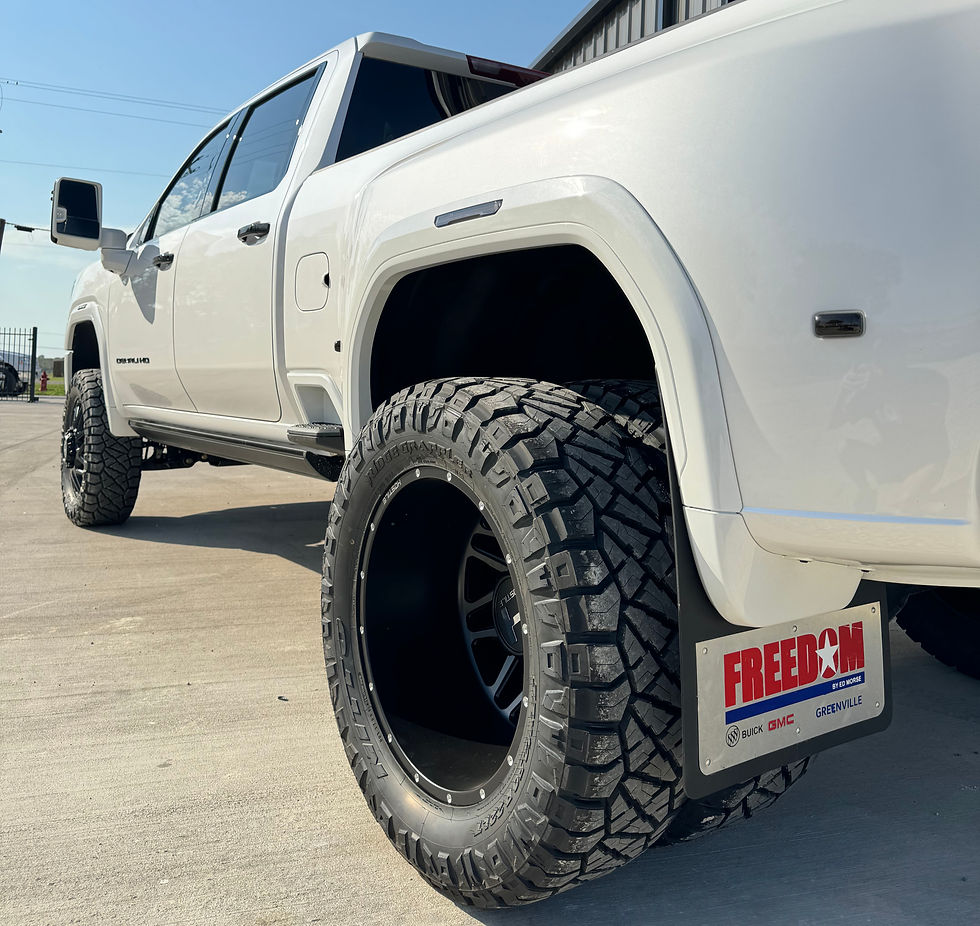
Key Takeaways
As a driver in Texas, you face unique challenges when it comes to heat, heavy loads, and off-road conditions, so the right set of wheels is a safety and performance must-have.
You need to match the wheel diameter, rim width, offset, and bolt pattern to your truck's specs to avoid issues with poor handling and premature tire wear.
The specific wheel and tire package you go for will depend entirely on how you use your truck.
Why It's So Important to Get the Right Wheels in Texas
In Texas, we're pushing our trucks harder than ever. It's not just about looks, as the wheels you choose can make all the difference when it comes to your truck's performance.
Here are just a few reasons why it's so important to choose the right high-quality wheels for your truck customization in Texas:
Heat is a Big Deal
In the Texas summer, pavement surface temperatures can push internal tire temperatures up by 30-40°C above the ambient temperature, which only accelerates wear and reduces braking reliability. Wheel material and tire size can play a big role in managing that heat.
Oversized Aftermarket Wheels Can Cause Wear
If you buy oversized aftermarket wheels that don't offer proper fitment, these can end up rubbing on your truck's fenders and generating extra heat and wear. This can put stress on your wheel bearings and eventually damage the suspension components.
You Might Face Legal Consequences
There are serious legal consequences if your wheels and tires stick out too far. In Texas, wheels and tires can only protrude up to 6 inches beyond the fender. Anything more than this and you're risking a fine. Poor fitment can also flag issues during safety inspections.
If you want guidance you can actually rely on, Evolution Motoring in Caddo Mills brings 35+ years of combined experience to every build. Our UTI-trained technicians have completed over 700 vehicle projects across Northeast Texas. You can book a free consultation to get expert advice on wheels, tires, and full setup options today.
With those cautions in mind, here's how to choose the right wheels for trucks in Texas.
Step 1: Match Your Wheel Size and Tire Size to How You Use Your Truck
Choosing the right wheels always starts with one key consideration: how you use your truck. If your truck never leaves the highway, it's obviously going to have completely different needs than one that rolls through pasture gates every day.
For instance, truck wheels wtith a bigger diameter (20"-22") need lower-profile tires to keep rolling diameter the same. That means a stiffer ride, which you'll notice if you drive a lot of potholed Texas farm-to-market roads, and pricier tire replacements.
Smaller wheels (17"-18"), on the other hand, give more cushion on gravel and rough ground. They also reduce the chance of bending a rim on a rock.
If you're buying for an off-road or work truck that covers a lot of ground on ranch trails and lease roads, 17"-18" wheels with all-terrain or mud-terrain tires mounted in 33"-35" sizes generally hit the sweet spot.
But if your truck spends most of the time cruising Houston, Austin or San Antonio, 20"+ truck wheels will deliver responsive handling and a modern look, though you will trade some comfortable ride quality.

Step 2: Get Your Fitment Right
The safest wheels of all are the ones that fit your specific vehicle.
Bolt pattern is listed as lug count x circle diameter (e.g. 6×139.7 mm for GM 1500s, 8×180 mm for newer 2500/3500 HDs). It needs to match your truck exactly, with no exceptions. Check your owner's manual or the driver-side door jamb sticker.
Offset is the distance from the wheel's mounting pad to its centre line. If it's positive, then the wheels stay tucked away and offer good highway stability. But if you go for a negative offset, your wheels will stick out. This might look cool, but it'll put stress on the steering components.
Getting proper clearance right is also important. You need to check that new wheels will clear the brake calipers, especially if you've got a newer truck with big factory brakes. Do a test fit before you even think about buying any wheels.
Load rating is also a must. If you get a wheel that's rated below your truck's Gross Axle Weight Rating, then it'll fail under load.
Before you purchase any truck wheels, take some time to carefully measure or confirm the bolt pattern, centre bore, offset range, and load rating. When your wheel fitment is done right, you'll be able to support your truck's performance by preventing vibration, uneven wear, or safety issues.
Step 3: Compare Wheel Materials
The choice of materials for your truck wheels is also important, since this will affect everything from durability to weight, heat management, and cost. All of that is only amplified in the Texas climate.
There are three common material options to consider:
Steel Wheels
Steel wheels are common on work spec trucks, being simple, strong, and easy to repair if you get any damage: you can just hammer out the dent or weld it back up.
They're a bit on the heavy side, though, which means they add some stress to the brakes and suspension, and you might even see a bit less fuel economy. Plus, they will rust quickly if you live in a humid or coastal area, so you'll have to keep on top of the maintenance.
Aluminum Alloy Wheels (Cast)
Aluminum alloy wheels offer a nice balance of style, light weight, and good heat dissipation. Aluminium is around three times better at conducting heat than steel, so it's a good choice for daily driving on the highway or towing a heavy load.
There are multiple finishes and spoke designs to choose from. Just keep in mind that aluminum wheels can crack if you hit something hard (rocks, potholes, and so on), and repairs can be pricey. They also don't do too well in coastal salt air, but they'll still be structurally sound.
Forged and Custom Wheels:
Forged wheels are both strong and lightweight, making them great for off-roading or lifting your truck. But, unsurprisingly, they cost more: you're looking at between $600 & $1,000 per wheel.
That said, if you want something truly unique, then forged and custom wheels are a good choice. Their lighter weight means better performance, and you can actually see the difference.
Step 4: Decide Between Stock Wheels and Aftermarket
You can either choose to stick with your truck's factory wheels, get an OEM replacement, or go for a totally different look and stance with an aftermarket wheel.
Keeping the stock wheels means you'll benefit from a reliable option that has been designed and tested for your truck's suspension geometry and brakes. You'll also find it easier to upgrade with bigger tires without rubbing issues, and you know you'll be keeping your vehicle warranty compliant.
But aftermarket wheels are the better choice if you care about style and performance, with a range of different spoke designs, colours, and finishes to match your truck. If you choose this route, it's important to get your alignment checked, so you don't end up with uneven tire wear. Make sure they meet Texas regulations for aftermarket wheels, too.
Adding a leveling kit with new wheels is pretty common if you want larger tires without the expense of a full suspension lift. Just make sure to get the work done by an expert, like our team at Evolution Motoring, so you can avoid an uneven result.
If you’re ready to upgrade your truck wheels, we offer free consultations so you can get clear advice before you spend anything. You can also request a free estimate and get guidance on wheel sizing, tyre packages, lift compatibility, and full vehicle setup options tailored to Texas driving conditions.

FAQ
Here are some quick answers to the most common questions Texas truck owners have when choosing wheels for their vehicles.
Q: How do I know if a set of wheels will fit my truck?
To know if a set of wheels will fit your truck, check that the bolt pattern matches your vehicle exactly. Check the owner's manual, the sticker on the driver side door jamb, or a reputable online fit guide for your year, make, and model. If you're still unsure, take the wheels to a local shop, and they'll do a test fit or take the measurements for you. They can also make sure the wheels handle your truck's weight and trailer tongue weight, which is essential for any new set of wheels.
Q: Can I put bigger tires and wheels on my truck without a lift?
Sometimes you can put bigger tires and wheels on your truck without a lift, but not always. If you're replacing your current wheels and tires with a slightly taller option, then probably, yes. A good online fit calculator will give you a good idea of what you can and can't run, but it's always best to get guidance from a local shop before you commit to a full tire package.
Q: Are steel or aluminum wheels best for Texas roads?
If your work truck needs to offer good off-road performance, then steel wheels are generally better than aluminum because they're the toughest and most easily repairable option. But if you're looking for improved braking and style, then aluminum wheels are the way to go. For most of us who use our vehicles for highway driving, towing, and some off-road use, modern aftermarket aluminum wheels strike a good balance.
Q: Will my aftermarket wheels affect my warranty or insurance?
No, most aftermarket wheel upgrades that stay within safe load ratings and manufacturer-approved sizes won't void a warranty. Just keep a record of all the specs and load ratings of your new wheels and tires. Tell your insurer about any major changes you make (extreme offsets, oversized wheels, or a full suspension lift), as Texas dealers and insurers may have their own rules on these, so it's best to check before you begin any work.


.png)
Comments