.png)

.png)
.png)
.png)
.png)
.png)

How to Properly Maintain Off-Road Vehicle Wheels in Texas Conditions

Texas throws everything at your wheels and tires, from scorching summer asphalt to razor-sharp limestone, sticky red clay, and salty coastal air. If you spend many a weekend on trails or ranch roads, knowing how to properly maintain your vehicle wheels is the simple way to enjoy a great day out without having to call for a tow truck.
In this guide, we're outlining everything that Texas off-road drivers need to know to keep their wheels and tires in top shape.
Key Takeaways:
Texas off-road driving conditions make regular wheel and tire maintenance not just a good idea, but a necessity for both safety and performance.
Always set your tire pressure when it's cold, and adjust it for the terrain. Whether you're on the highway, rocky trails, or sand, the right pressure makes all the difference.
Don't neglect wheel alignments and post-trail checks! They're more important than you think, especially if you're driving on rough terrain.
Keeping an eye on tread depth and tire rotation, as well as committing to regular wheel maintenance and cleaning, is key to preventing expensive repairs and extending the life of your off-road setup.

Why Your Vehicle's Wheels Need Extra Attention When Driving Off-Road in Texas
Off-roading in Texas puts your wheels through the wringer, especially when you consider the heat. From June to September, ambient temperatures regularly hit 95-105°F, and pavement surfaces can exceed 140°F.
That heat raises internal tire temperatures and pressure, increasing the risk of blowouts on any road vehicle already carrying trail damage or overinflation. Add in the caliche and sharp limestone underlying much of Central Texas, and you've got conditions that can chip your wheel finish, slice your sidewalls to ribbons, and clog up your tread patterns with debris faster than almost anywhere else.
Yes, off-road tires are engineered for durability and can withstand harsh impacts, but there are still things you can do to extend the lifespan of your wheels, especially when driving on Texas soil.
Getting Your Tire Pressure Just Right for Texas Trails
Tire pressure is one of the most important things to get right, controlling how much rubber contacts the ground, how well your sidewalls handle impacts, and even your fuel efficiency on the highway. It's not rocket science, but it does take a bit of know-how to get it right for each terrain type.
Here are some typical starting points (always stay within your tire and wheel load ratings):
Terrain | Suggested PSI Range |
Highway driving | 33–38 psi |
Rocky Hill Country trails | 22–28 psi |
Soft sand (Padre Island) | 15–20 psi |
Packed dirt ranch roads | 28–32 psi |
As a general rule of thumb, for every 10°F change in ambient temperature, your tire pressure alters by around 1–2 psi. That means the pressures set in a cool morning garage can climb several psi by midday on hot pavement. If you then drop onto slow-speed trails, you'll probably find that overinflation reduces your traction and increases the risk of sidewall damage on rocks.
Carry a good quality gauge and a compact 12V compressor with you. That way, you can air down at the trailhead, then air back up before the highway. Lowering tire pressure improves traction on rough terrain, but keep in mind that running too low on sharp rock can pinch the tire against the rim and bend your wheels.
Make sure to check your tire pressure at least once a month for safety, regardless of what surfaces you're driving on.
Choosing the Right Tires for Texas Terrain
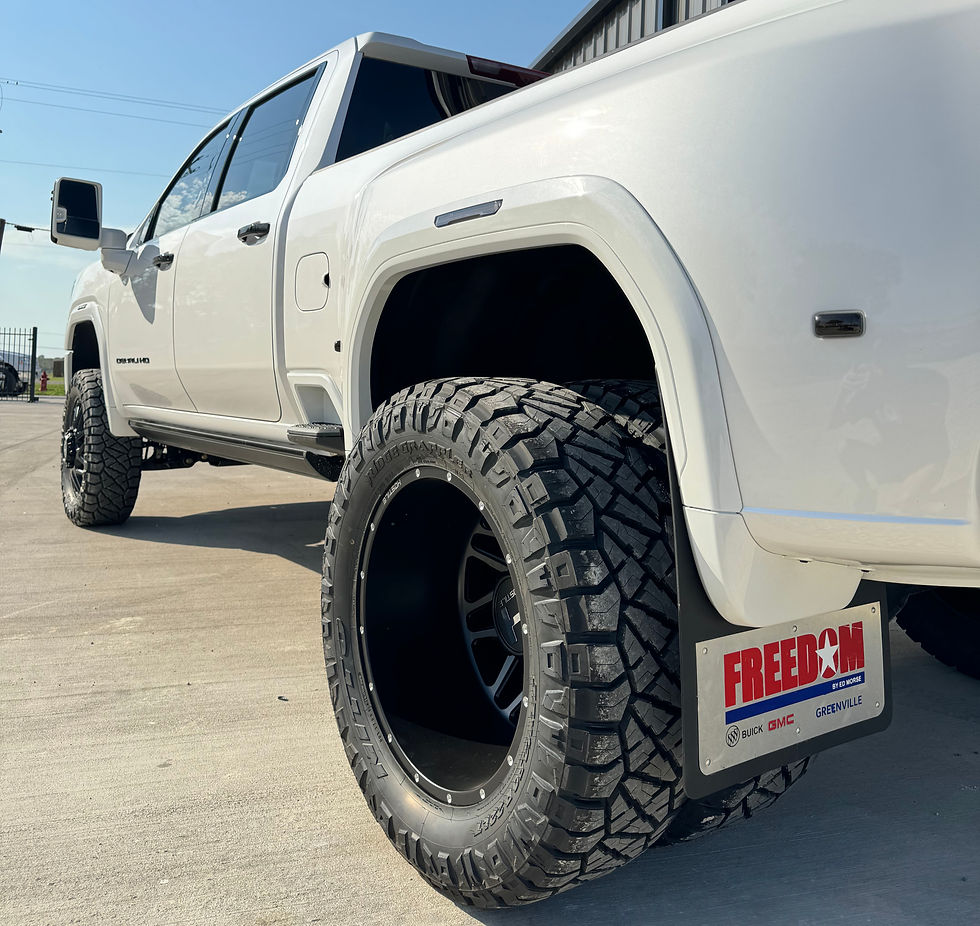
Your tires are the key to a great off-road experience! Tread patterns and tread depth are essential for good traction on mud, loose rock, and wet red clay. Worn treads can dramatically increase your stopping distance once you're back on pavement.
All-terrain (AT) vs. Mud-Terrain (MT)
All-terrain tires are the workhorse choice for mixed highway and ranch road duty, being generally quieter and boasting a longer tread life, along with a decent grip.
Tires designed specifically for deep mud (MTs) have aggressive lugs and large voids that self-clean in soft terrain, but they wear faster on hot Texas pavement and can have longer wet-braking distances. Your decision should come down to where you spend most of your miles.
Tread Depth
For tread depth, the legal minimum is 2/32 inch in most applications, with deep treads of 4/32 inch recommended for wet conditions and required on front wheels of certain commercial vehicles. Use a tread depth gauge or the Lincoln penny test to get a good tread reading. If you can see the top of Lincoln's head, it's time to replace your wheels.
Rotate your tires every 5,000 to 7,500 miles, or after a string of hard weekends, to make sure your shoulder and heel-toe tyre wear is evened out. Contact us if you're not sure whether your tires need replacing.
Wheel Alignment, Balancing, and Inspecting for Trail Damage
Off-roading can knock wheel alignment out of spec and throw balance weights in a single hard hit, even when you have good ground clearance. Beyond just being a cosmetic issue, misalignment causes uneven wear patterns that can shorten tire life and hurt your handling on the highway.
You won't necessarily see visible damage if you have wheel alignment or balancing issues. Look out for the following signs that your alignment is off:
Steering wheel off-center on straight roads
Vehicle pulling or drifting at highway speed
Feathering or heavy shoulder wear on one side
Uneven tire wear visible across the tread face
Check your alignment at least once a year if your vehicle sees regular off-road use, and immediately after any significant impact. Unbalanced wheels cause vibration between 50–75 mph and fatigue suspension components, so they can quickly become a safety issue. They can even loosen lug nuts over time.
Regular Maintenance Checklist Before and After Texas Off-Road Trips
This maintenance checklist covers the essentials for every off-road trip. Here's how to commit to the proper care needed to protect your investment and enjoy a smoother ride.
Pre-Trip:
Check tire pressure cold against vehicle and tire ratings
Verify tread depth on all tires, including the spare
Inspect wheels for cracks or bends
Torque lug nuts to manufacturer spec
Visually inspect valve stems and caps
Confirm air filters are clean (dusty trails clog them fast)
Verify your oil change schedule is current (dirty oil under hard use accelerates wear on drivetrain components)
On-Trail:
Re-check tire pressure when terrain or load changes
Remove trapped rocks from tread during breaks
Listen for new vibrations or knocks indicating wheel damage or loose hardware
Post-Trip:
Wash mud and brake dust from wheels, brakes, and uneven surfaces where debris might be packed in
Re-check tire pressure after airing back up
Inspect wheels for structural damage, including new chips, gouges, or tire damage
Confirm lug torque once wheels have cooled
Schedule alignment and balancing if there was any major impact
If you're removing the wheels, follow proper storage practices: away from direct sunlight
General Maintenance:
Clean wheels every two weeks to avoid grime buildup and prevent corrosion from dirt and brake dust
Thoroughly rinse wheels before scrubbing to prevent scratches
Dry wheels completely to avoid water spots after cleaning
Always use pH-balanced, non-acidic cleaners for wheel care (avoid harsh chemicals at all costs!)
Consider applying a protective coating to protect finishes and prevent wheel corrosion, which weakens wheels and reduces their lifespan
We recommend making regular visits to Evolution Motoring part of your routine! Book a post-trail health check after long off-road journeys to confirm that everything is still safe and not hindering your vehicle's performance. We can also advise you on Texas regulations for wheel modifications on trucks, so you can make sure your drive stays legal.

FAQ
How often should I check tire pressure on my off-road vehicle in Texas?
Check your tire pressure at least once a month for normal use, plus before every off-road trip and after airing back up for highway driving. Remember, normal tire pressure for 4WD vehicles is approximately 38 PSI. During peak summer heat or when you're frequently switching between highway and trails, it's smart to commit to weekly checks, since temperature-driven pressure swings of several psi are common.
How can I tell if a bent wheel from a Texas trail is still usable?
If your wheels have minor cosmetic bends at the outer lip, these may be repairable, but bends near the bead seat or cracks anywhere are serious concerns. If you notice persistent vibration, rapid uneven wear, or difficulty balancing, you may need to replace your wheels, not only for better performance but for safety in the long run. You're more than welcome to bring your wheels to Evolution Motoring for measurement and expert advice on whether you should repair your tires or buy new ones. Keeping a compromised wheel in service is a risk that can lead to a blowout and costly repairs down the line.
What's the best way to extend wheel life if I tow or haul heavy loads?
Adhere strictly to wheel and tire load ratings, especially when towing campers or boats across Texas in high heat. Heavy loads magnify tire maintenance needs for your off-road wheels. That makes it all the more important to commit to proper maintenance and schedule more frequent pressure checks, rotations, and alignment inspections. We can help you select load-rated wheels and tires that safely match your towing setup and keep everything performing under harsh conditions.


.png)
Comments